Enhancing Health and Caring for our Communities
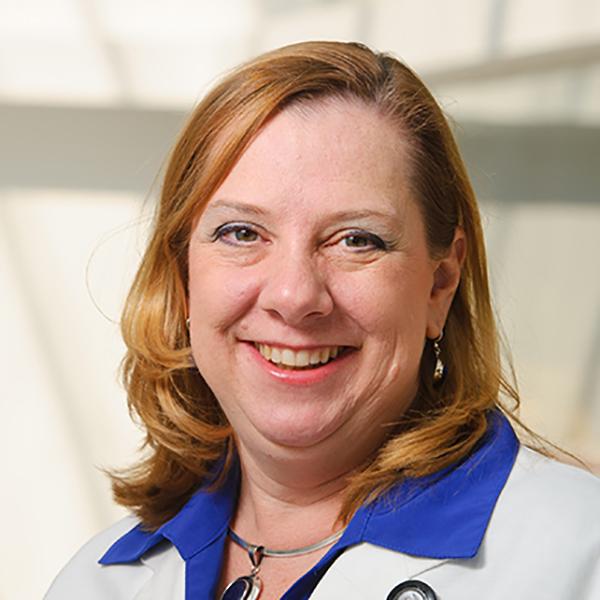
I am proud to serve as the leader of this outstanding and enduring Department of Family and Community Medicine. At MU Family Medicine, we strive to make a difference through patient care, teaching and research. We have 75 faculty members from multiple disciplines.
Faculty physicians practice side by side with our resident physicians providing patient care in our family medicine clinics – located in Columbia and in four nearby rural communities – as well as in two area hospitals and the local federally qualified community health center. In addition to our ten practices, our department manages three Mizzou Quick Care clinics. Outpatient visits at these facilities total nearly 160,000 annually.
Our three-year residency program provides family medicine training to 42 residents, 14 resident physicians in each class. Our department sponsors four fellowships: one-year programs in geriatric medicine, hospice and palliative medicine, and sports medicine, plus a two-year primary care academic medicine fellowship. We now offer an online degree program: MS in Academic Medicine degree available to physician faculty nationwide. We teach in all four years of the medical school curriculum.
Our research faculty have a broad range of training and skills. Many of their efforts focus on preventing and caring for patients with chronic disease. To learn more about them and the work they are doing, we invite you to take a look at our Research Team.
Recognizing the importance of leadership in family medicine, our department developed an annual workshop for new family medicine chairs. Learn more about the MU Family Medicine/ADFM New Chairs Workshop.
Please use this website as a view into our department. If you have questions or wish additional information, please let us know. We welcome and appreciate your interest in Family Medicine at MU.
Our Mission
To advance health and primary care through leadership in patient care, education, scholarship and service, with a commitment to rural and underserved populations.
Our Vision
To be inspirational leaders in Family and Community Medicine for Missouri and the nation.
Our Values
Lead the way: Innovation – Excellence – Integrity – Growth
Bring people together: Collaboration – Respect – Diversity – Inclusion
Be our best selves: Compassion – Humor – Joy – Learning